Lower upfront commitment
Smaller systems let buyers test solar economics without a roof lease, full array, or major construction project.
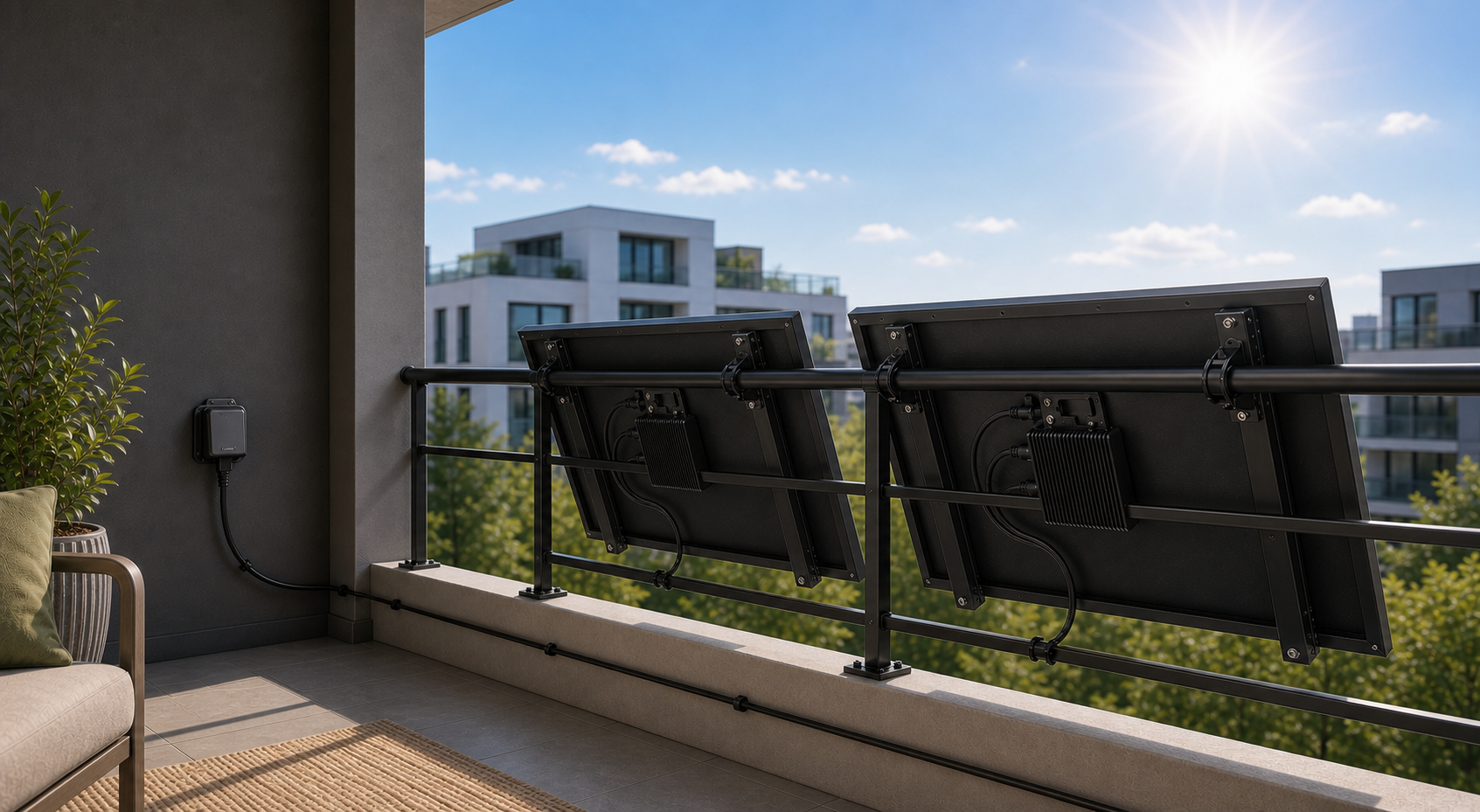
Balcony solar industry overview
States are starting to write clearer rules for small solar systems that mount on balconies, decks, patios, and railings. BalconyWatt tracks why the category matters, where policy is moving, and when the equipment is worth a serious look.
Affiliate disclosure: As an Amazon Associate, BalconyWatt earns from qualifying purchases. Always confirm permits, utility rules, outlet suitability, and product listings before installing grid-connected equipment.
Why consumers are paying attention
Traditional rooftop solar can be expensive, permanent, and hard for renters or condo owners to access. Balcony solar is smaller and more modular: a panel, microinverter, mounting path, monitoring, and sometimes a battery. The appeal is not replacing the grid; it is offsetting everyday daytime loads with equipment a household can understand before committing to a full roof project.
Smaller systems let buyers test solar economics without a roof lease, full array, or major construction project.
Production is modest, but it can reduce grid draw during sunny hours when refrigerators, laptops, fans, and chargers are running.
Where rules allow it, the equipment can be sized around a balcony, patio, deck, shed, or small home energy experiment.
States are moving from silence and utility-by-utility ambiguity toward defined equipment, safety, and interconnection paths.
The industry shift
Balcony solar is growing because it answers a practical gap in the U.S. energy market: millions of renters, condo owners, and small-space households want some solar access, but conventional rooftop systems are not always available to them. BalconyWatt's August 2026 audit tracks eight signed-law state pathways, two passed-both-houses bills awaiting governor action, and a broader 2027 watchlist of active or deferred proposals. The policy work is increasingly focused on safe system sizes, inverter behavior, utility notice, and installation responsibilities.
For consumers, the investment case is strongest when the site has direct sun, electricity rates are high, daytime self-use is realistic, and local rules give a clear path. It is weakest when the balcony is shaded, landlord or HOA rules are unclear, or the system depends on questionable outlet, circuit, or export claims.
The category makes solar visible to people who cannot alter a roof, take on a large loan, or wait for a full installer project.
The policy work is about standardizing listed equipment, anti-islanding, export limits, dedicated circuits, permits, and utility notification.
A balcony kit will not power a whole house, but it can offset small always-on and daytime loads when production lines up with consumption.
Batteries, smart meters, and app monitoring are turning the category into a practical way to understand household energy habits.
Build the system in pieces
A balcony or mini-rooftop setup is a system: panels, inverter, mounting, monitoring, and sometimes storage. Use these shortlists to compare each part before deciding whether a complete kit or a custom setup makes more sense.
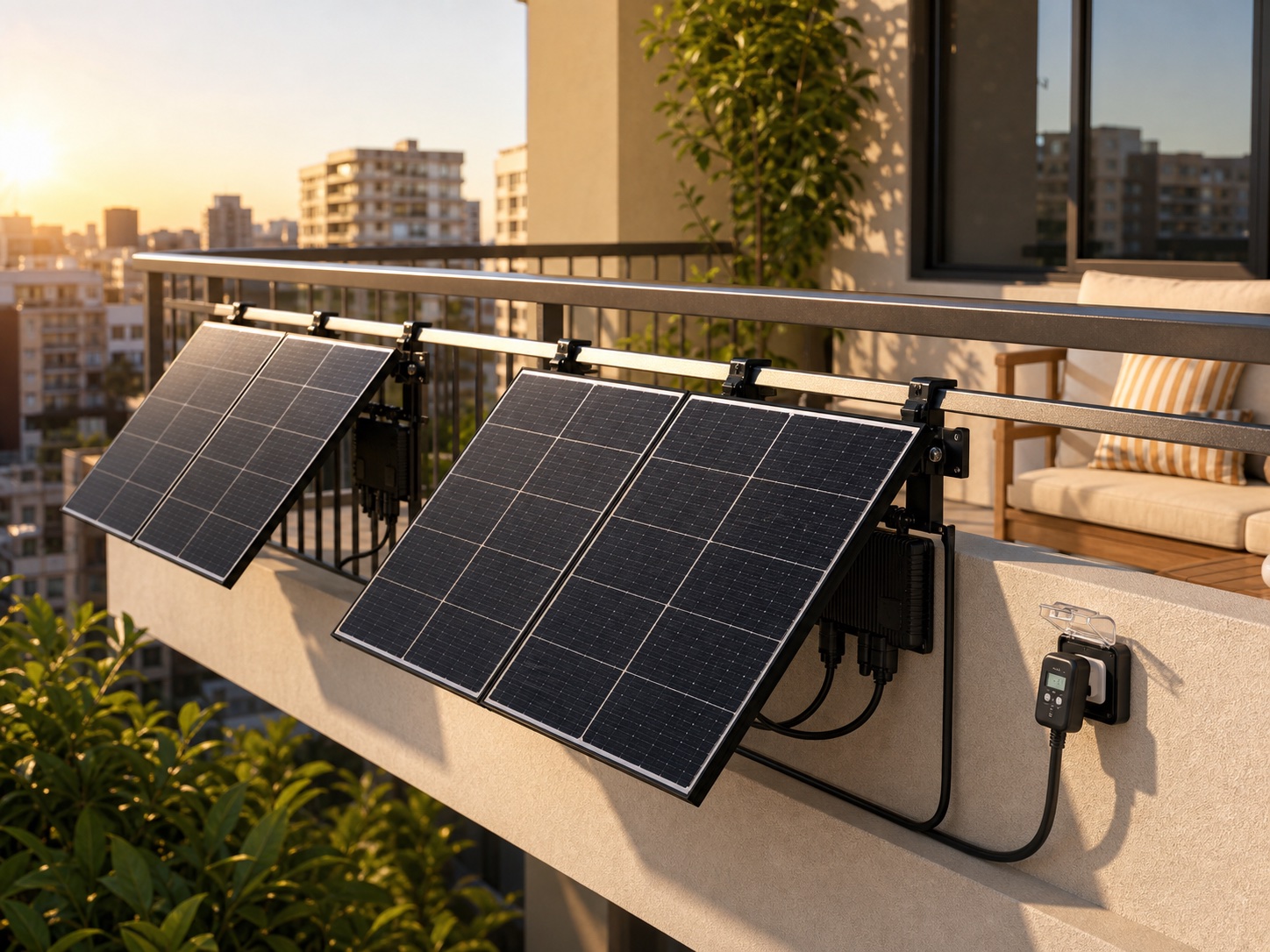
Complete kit path
Start here if you want one manufacturer to define the panel, inverter, cable, monitoring, and mounting path. A kit still needs local electrical, utility, landlord, and HOA review.
Four compact panels, smart inverters, AC cable, app monitoring, PowerMeter, and mounting hardware in one kit path.
View productUseful to compare when you want an inverter-led balcony ecosystem with app visibility and optional storage integration.
View productWorth comparing for self-consumption and evening load shifting, especially where export value is limited.
View product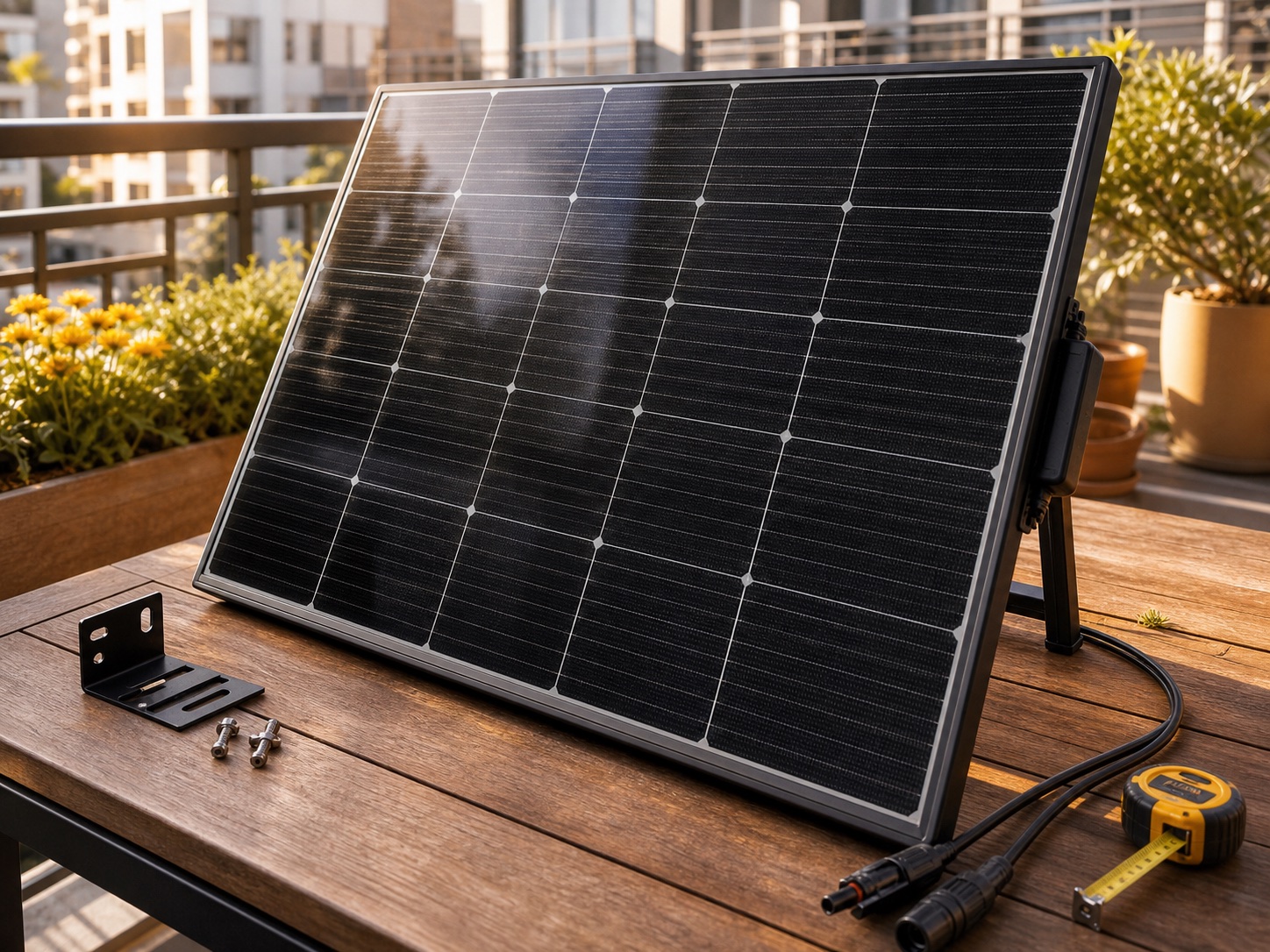
Solar panels
Panel choice comes down to physical size, weight, output, connector type, and whether the voltage/current window matches the inverter or battery input.
A useful product family for compact rail, shed, patio, and small-array layouts where a full residential module is too large.
View productGood to compare for small two-panel layouts, battery charging, and places where panel dimensions are the hard limit.
View productBetter suited to mini rooftops, sheds, patios, and larger rail plans than very tight apartment balconies.
View product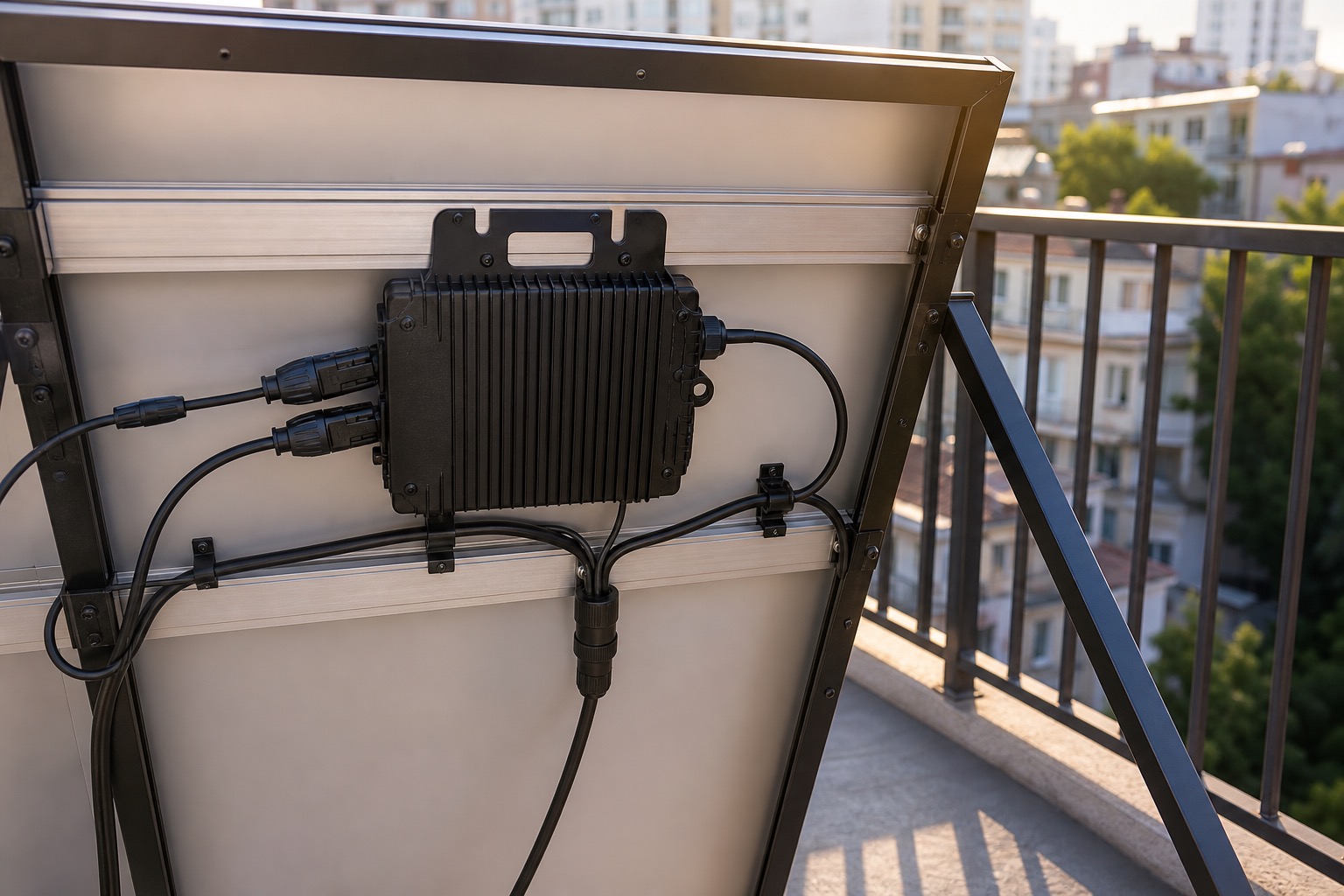
Inverters and microinverters
The inverter determines how DC panel output becomes usable AC power. This is where anti-islanding, listing, utility rules, and export behavior matter most.
A clean comparison point for buyers researching newer balcony-focused microinverter systems and app monitoring.
View productA mature rooftop microinverter reference for permitted small arrays; not a casual plug-in outlet product.
View productBest reviewed inside the CraftStrom kit because the inverter, PowerMeter, panels, cables, and software are designed to work together.
View kit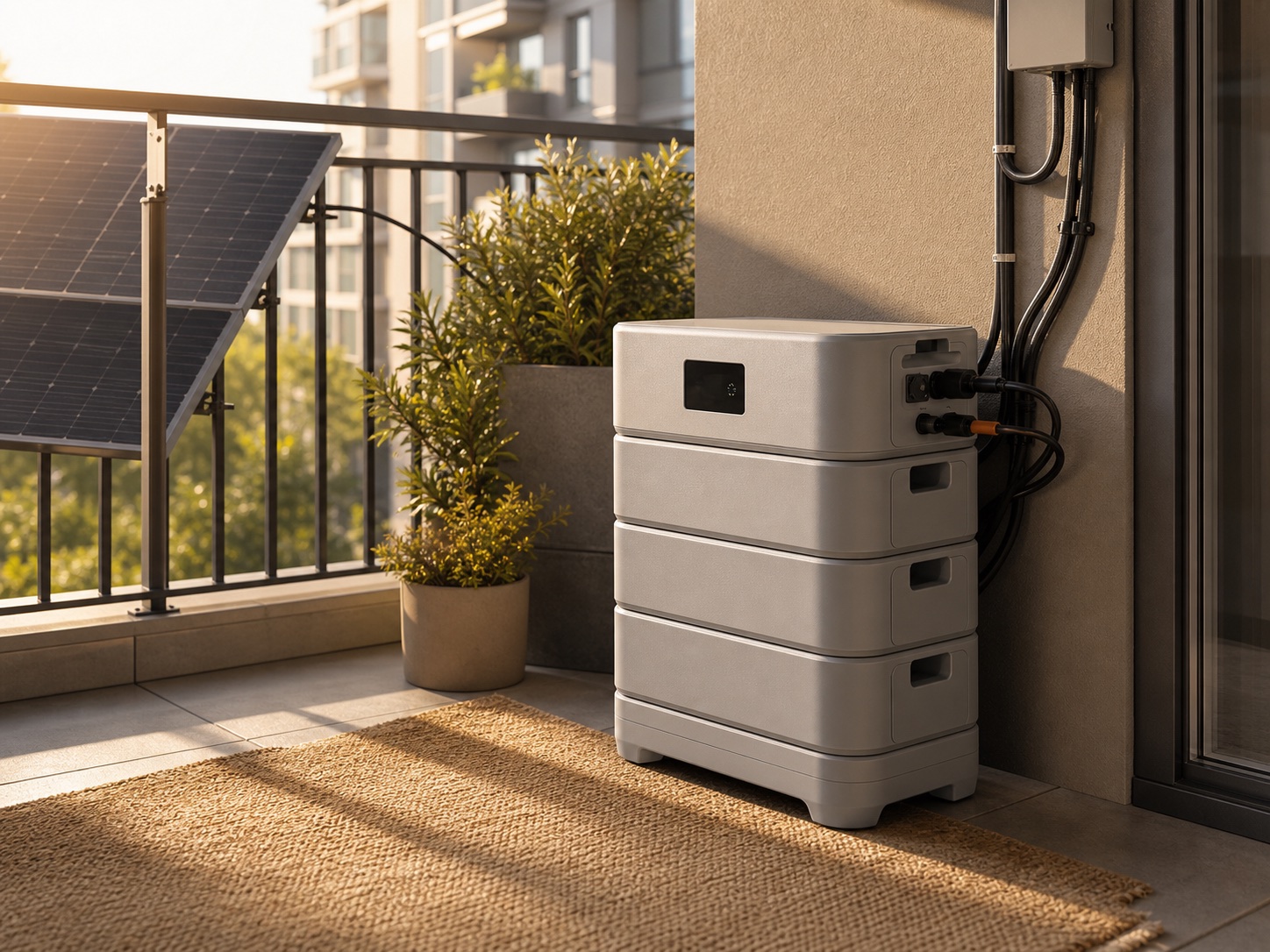
Batteries and storage
Batteries matter when daytime production does not line up with your actual loads. Confirm outdoor rating, operating temperature, input limits, and whether the battery works with the inverter path you choose.
A good comparison point for battery-backed balcony systems and evening load shifting.
View productWorth tracking if you are already comparing the CraftStrom plug-in kit and want a matched storage path.
View productBest for larger small-space systems where storage, monitoring, and appliance timing are part of the plan.
View product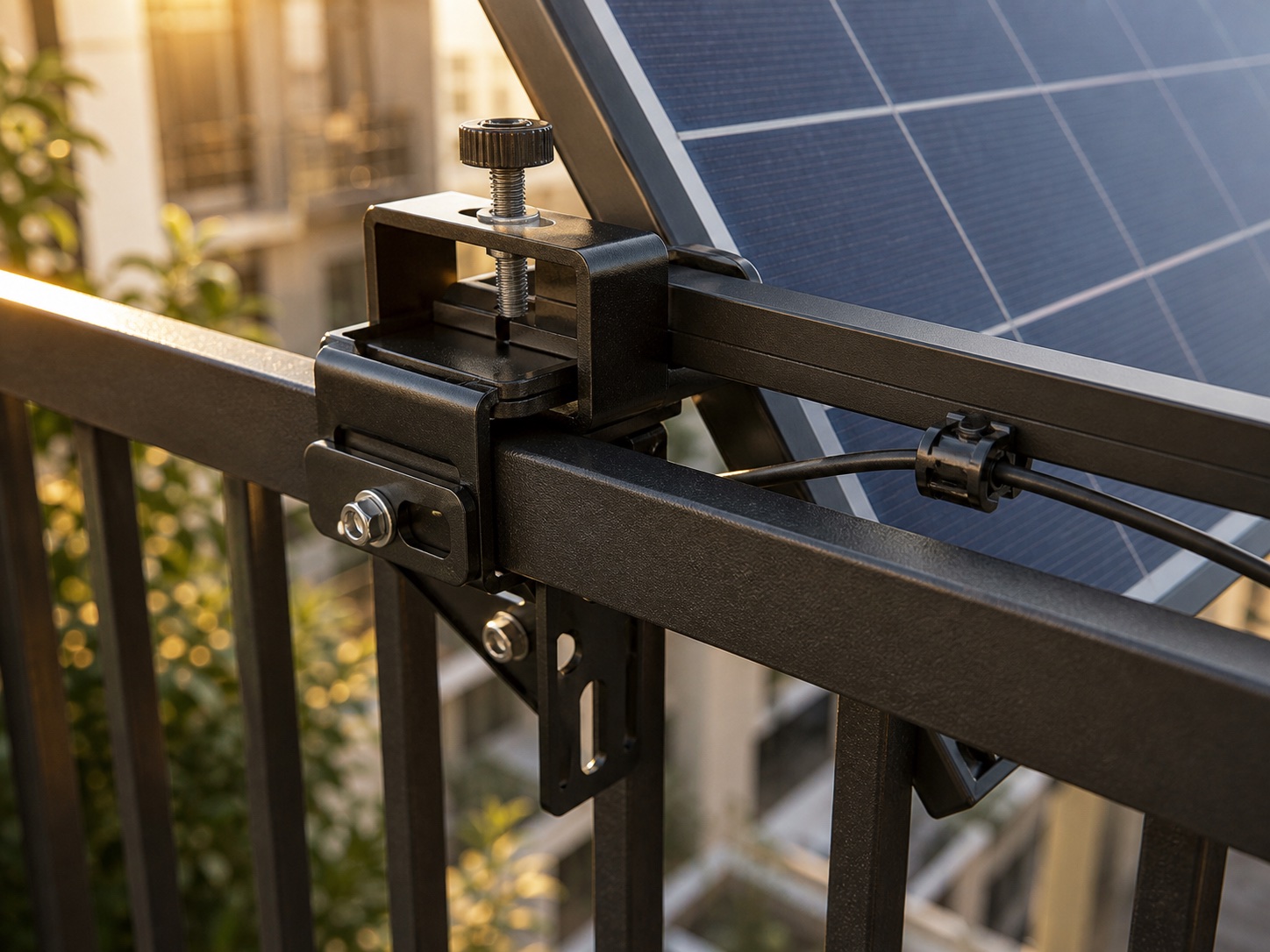
Mounting and structure
Balcony mounting needs extra scrutiny: railing geometry, wind exposure, fall risk, landlord rules, waterproofing, and whether the panel can be removed without damage.
A useful hardware reference for clamp concepts, but not a universal balcony rail solution.
View productUseful for sheds, patio structures, or mini-rooftop mounts where drilling and fixed attachment are allowed.
View productWhen buying a complete kit, prefer the tested mounting path and ask for wind-load, rail-fit, and removal documentation.
View kit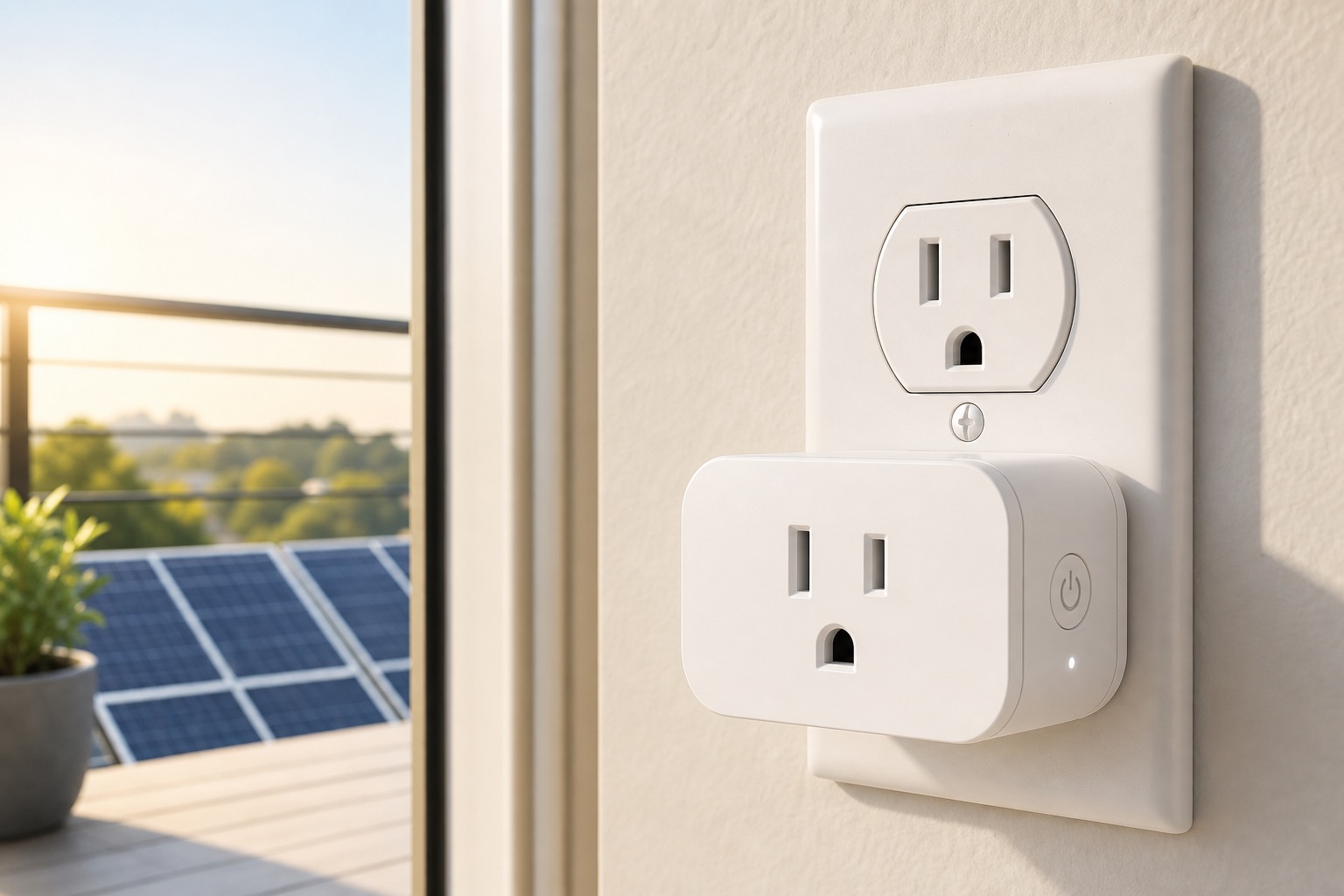
Monitoring and controls
Monitoring helps turn a gadget into a savings decision. Separate load monitoring from solar production monitoring, and do not assume an ordinary smart plug is approved for grid-feed measurement.
A compact Matter smart plug with energy monitoring for appliance baselines and payback modeling.
View productUseful when you want whole-home or circuit-level context instead of only plug-level appliance data.
View productEvaluate within the CraftStrom kit path as part of the kit's production and usage monitoring workflow.
View kitResearch library
Learn how plug-in solar systems, microinverter kits, and battery-backed packages compare for apartments, condos, and townhomes.
Compare storage options for after-sunset use, self-consumption, backup expectations, and apartment-friendly installation limits.
Check state-by-state rulemaking, pending bills, utility interconnection limits, and places where plug-in systems remain restricted.
Understand clamp geometry, wind load, tilt angle, renter removal, cable strain relief, and landlord-friendly installation details.
Compare MC4 connectors, voltage windows, current limits, rigid versus flexible panels, and 200W, 400W, 600W, and 800W layouts.
Compare kWh meters, outdoor smart plugs, circuit-level monitors, energy apps, and monthly savings tracking methods.
Cover anti-islanding, rapid shutdown, weather-rated connectors, dedicated circuits, GFCI/AFCI concerns, and utility paperwork.
Estimate output by panel wattage, sun hours, self-consumption, electricity rate, shade, tilt, and battery charge strategy.
Buyer research
Review hub
Current top score
Highest marks for clear hardware fit, reversible install, and low buyer regret risk. Electrical safety still depends on the rest of the system.
| Review factor | Weight | What we look for |
|---|---|---|
| Electrical fit | 30% | Listed inverter, export controls, outlet and circuit guidance, utility paperwork. |
| Balcony fit | 25% | Railing type, panel size, wind exposure, tilt range, cable routing, removal. |
| Production value | 20% | Expected kWh, shade tolerance, warranty, monitoring, price per usable watt. |
| Seller quality | 15% | Return policy, support, documentation, parts availability, transparent specs. |
| Owner friction | 10% | HOA, landlord, portability, noise, app requirements, ongoing maintenance. |
Buyer guide
A balcony system is only a good deal when it fits your building, your electric rules, and your daily load profile. Use this checklist before clicking any affiliate link.
Quick calculator
This is a planning estimate, not a performance guarantee.
Further reading
Mounting, cable routing, lease clauses, and how to document the install before move-out.
How daytime occupancy, net billing, and appliance backup change the buying decision.
Panel area, rail load, inverter caps, circuit constraints, and real-world shade losses.
For manufacturers
Solar panel, microinverter, battery, mounting, metering, and full-kit manufacturers can send product details for editorial consideration, documentation review, and possible buyer-guide coverage.
Reference links